


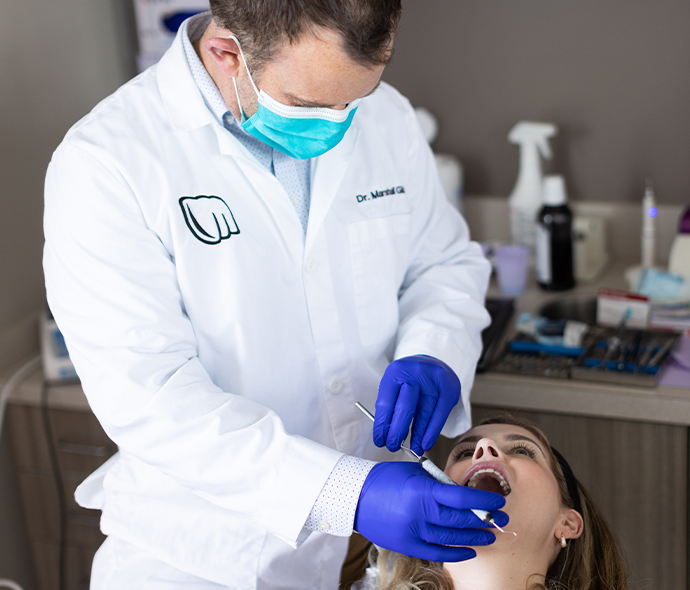
A toothache that keeps you awake, a broken tooth that catches on your tongue, or swelling that seems to worsen by the hour can make waiting feel impossible. Same day tooth extraction options can provide timely relief when a tooth cannot be saved or when leaving it untreated could lead to more pain, infection, or damage to nearby teeth.
An urgent visit does not automatically mean a tooth will be removed. Your dentist’s first priority is to examine the problem, control discomfort, and determine whether preserving the tooth is the healthier long-term choice. When extraction is the right treatment, same-day care may allow you to move from pain and uncertainty to a clear plan before you leave the office.
When a Same-Day Extraction May Be Recommended
A dentist may recommend removing a tooth promptly when the damage or infection is too severe for a filling, crown, root canal, or other restorative treatment. This decision is based on an exam, X-rays when needed, your symptoms, and your overall health history.
Common reasons for an urgent extraction include a tooth broken below the gumline, advanced decay that has left too little healthy structure to restore, or a serious infection around the tooth or root. A loose tooth caused by advanced gum disease may also need removal if it cannot be stabilized. In some cases, a wisdom tooth can require urgent attention because of pain, swelling, repeated infection, or injury to the surrounding gum tissue.
Trauma is another reason people seek same-day care. A fall, sports injury, or accident can crack a tooth deeply or knock it loose. Even if the injury looks minor, it deserves a prompt dental evaluation. Fast treatment may improve the chance of saving the tooth, or it may identify an extraction as the safest next step.
Same Day Tooth Extraction Options Depend on Your Needs
There is no single approach that fits every urgent dental situation. The right option depends on the location of the tooth, the condition of its roots, the presence of infection, your level of anxiety, and whether the procedure can be completed safely that day.
A simple extraction
A simple extraction is often used when the visible portion of the tooth is intact enough for the dentist to gently loosen and remove it. Local anesthetic numbs the treatment area, so you should not feel sharp pain during the procedure. You may feel pressure, which is normal.
For many patients, a simple extraction can be completed during an emergency appointment after the exam and treatment discussion. Your dentist will review aftercare instructions, including how to protect the blood clot that forms in the socket as healing begins.
A surgical extraction
A surgical extraction may be needed when a tooth is broken at the gumline, has curved or complex roots, or has not fully erupted. This can be more common with wisdom teeth, although it can occur with any tooth. The dentist may need to make a small opening in the gum tissue or divide the tooth into sections for safer removal.
Some surgical cases can be treated the same day in a general dental office. Others may be better handled by an oral surgeon, particularly when the tooth is close to important nerves, the infection is extensive, or the procedure is expected to be unusually complex. A referral is not a delay for its own sake. It is a way to make sure you receive the appropriate level of care.
Relief today, extraction soon
Sometimes the most responsible same-day plan is to manage pain and infection first, then schedule the extraction after swelling improves or after additional planning. This may happen when inflammation makes anesthesia less effective, when a medical condition needs coordination with your physician, or when sedation arrangements are necessary.
If an infection is present, antibiotics may be appropriate in certain situations, but they do not remove the cause of the infection on their own. The tooth still needs treatment, whether that means a root canal, extraction, or another dentist-recommended option. Your care team should explain what needs to happen next and why.
What Happens During an Emergency Extraction Visit?
The visit begins with listening. Describe when the pain started, whether you have swelling, fever, drainage, trouble biting, or sensitivity to hot and cold. Let the dental team know about medications, allergies, pregnancy, health conditions, and any history of difficult dental treatment.
Your dentist will examine the tooth and may take digital X-rays to see the roots, bone, and surrounding structures. From there, you will discuss whether the tooth can be saved, whether removal is recommended, and what the procedure involves. A good treatment conversation should include expected benefits, possible risks, cost considerations, and replacement options if the tooth is removed.
If you choose extraction and it is clinically appropriate to proceed, the team will numb the area and complete the procedure. Sedation options may be available for patients with significant anxiety or for certain treatments, but sedation requires additional safety screening. Depending on the type of sedation, you may need someone else to drive you home.
Before you leave, you should receive clear instructions for the first day of recovery and know whom to contact if concerns arise. At Mint Condition Dental, the goal of urgent care is not simply to address the immediate problem. It is to help you understand what comes next for your comfort and long-term oral health.
Preparing for a Same-Day Dental Appointment
Bring a current list of medications and insurance information if you have it. If a tooth fragment broke off, place it in a clean container and bring it with you. Do not put aspirin directly on the tooth or gums. It can burn soft tissue and will not treat the source of pain.
Eat a light meal before your visit unless the office tells you otherwise. If sedation may be used, you could receive different instructions about eating and drinking. Avoid smoking or vaping before and after an extraction, since tobacco use can interfere with healing and increase the risk of dry socket.
If you have facial swelling, use a cold compress on the outside of your cheek for short intervals. Over-the-counter pain relievers may help when used as directed, but ask the dental team what is appropriate for you, especially if you take blood thinners or have kidney, liver, stomach, or heart concerns.
Recovery Starts With Protecting the Blood Clot
After an extraction, the body forms a blood clot in the empty socket. This clot is essential because it protects the bone and nerves while new tissue develops. For the first 24 hours, avoid rinsing forcefully, spitting, drinking through a straw, or smoking. These actions can dislodge the clot and contribute to dry socket, a painful complication that requires dental attention.
Bite gently on the gauze as instructed to help control bleeding. Mild oozing can be normal during the first several hours. Choose soft foods, stay hydrated, and rest with your head slightly elevated. Cold foods such as yogurt or applesauce may feel comfortable, but avoid foods with seeds, crunchy pieces, or sharp edges that can irritate the site.
Some soreness and swelling are expected, especially after a surgical extraction. Pain that suddenly becomes much worse after a few days, persistent bleeding, fever, worsening swelling, difficulty swallowing, or trouble breathing should be addressed promptly. Trouble breathing or swallowing can signal a serious emergency and warrants immediate medical care.
Planning for the Space After Extraction
Not every extracted tooth must be replaced immediately, but the decision matters. A missing back tooth can affect chewing and allow nearby teeth to shift over time. A missing front tooth may affect speech and confidence as well as appearance. Depending on your needs, replacement may involve a dental implant, bridge, partial denture, or another personalized option.
In some situations, temporary tooth replacement can be discussed before extraction so you know what to expect afterward. In others, healing first is the best path. The right timeline depends on the reason for removal, the condition of your gums and bone, and your overall treatment goals.
Painful dental problems rarely improve by being ignored. If you are dealing with a damaged tooth, swelling, or severe discomfort in Cheney, Liberty Lake, Spokane Valley, Colfax, or Pullman, seeking prompt care can give you answers, relief, and a plan that fits your health needs. The next helpful step is a dental evaluation while the problem is still manageable.