


A cavity can start quietly. Your child may have no complaint at all, or you may notice a little sensitivity only when you drink something cold. By the time a tooth hurts, decay may already be more advanced. The best ways to prevent cavities are not complicated, but they do require consistent habits at home and regular support from a dental team that knows your family.
For busy Eastern Washington households, prevention is often about making the healthy choice the easy, repeatable one. A few minutes of brushing, smarter sipping throughout the day, and timely dental visits can help protect teeth from childhood through adulthood.
Why cavities develop in the first place
Cavities form when bacteria in plaque feed on sugars and starches left on teeth. As those bacteria process food and drinks, they produce acids that weaken tooth enamel. If the cycle continues often enough, enamel can break down and a small weak spot can become a cavity.
What matters most is not only how much sugar someone eats. Frequency matters, too. Sipping sweet coffee all morning, nursing a sports drink during practice, or grazing on crackers throughout the afternoon gives teeth repeated acid exposure. Saliva needs time to help rinse away food particles and restore a healthier balance in the mouth.
Some people are also naturally more cavity-prone. Dry mouth, certain medications, braces, older fillings, gum recession, pregnancy-related changes, and a history of decay can all affect risk. That is why prevention should be personalized rather than reduced to one rule for everyone.
Best ways to prevent cavities at home
Brush twice a day with fluoride toothpaste
Brush for a full two minutes in the morning and before bed. The bedtime brushing is especially valuable because saliva flow slows during sleep, leaving food debris and bacteria on teeth longer if they are not removed first.
Use a soft-bristled toothbrush and fluoride toothpaste. Fluoride strengthens enamel and can help repair very early areas of mineral loss before they become cavities. For children under 3, use a rice-sized smear of toothpaste. For children ages 3 through 6, a pea-sized amount is appropriate, with adult supervision to limit swallowing.
Technique counts more than brushing aggressively. Gently angle the brush toward the gumline and clean the front, back, and chewing surfaces of every tooth. Hard scrubbing can irritate gums and wear down enamel over time.
Clean between teeth every day
A toothbrush cannot fully clean the tight spaces where teeth touch. Flossing or using another dentist-recommended interdental cleaner removes plaque in those areas, where cavities often develop unnoticed.
For young children, parents usually need to help until the child has the coordination to do a thorough job independently. A good rule of thumb is to assist until they can tie their own shoes well. Adults with bridges, braces, or wider spaces between teeth may benefit from floss threaders, water flossers, or interdental brushes. The right tool is the one that gets used consistently and cleans effectively.
Make water the default drink
Plain water is one of the simplest tools for cavity prevention, especially when it contains fluoride. It helps rinse the mouth after meals and snacks without adding sugar or acid. Keeping water bottles handy for school, work, errands, and sports can reduce the habit of reaching for soda, juice, sweet tea, energy drinks, or sports drinks.
Acidic drinks can be tough on enamel even when they are sugar-free. Sparkling water, diet soda, and citrus beverages may have a place occasionally, but constant sipping keeps teeth in an acidic environment. Enjoy them with meals when possible, then switch back to water. If you do have something acidic, wait about 30 minutes before brushing so softened enamel is not brushed too aggressively.
Be strategic about snacks and sweets
No family needs perfect eating habits to have healthy teeth. The goal is to reduce how often teeth are exposed to sugar and sticky carbohydrates.
Choose satisfying snacks that are less likely to cling to teeth, such as cheese, yogurt with low added sugar, nuts when age-appropriate, vegetables, eggs, or fresh fruit. Crackers, chips, dried fruit, fruit snacks, and cookies are easy to pack, but they can stick in grooves and between teeth. Pairing them with a meal and drinking water afterward is generally kinder to teeth than snacking on them repeatedly throughout the day.
Sticky candy and hard candy deserve extra attention. Sticky treats can linger in tooth grooves, while hard candy keeps sugar in the mouth for a long time. You do not need to ban birthday cake or holiday treats. Serving sweets with a meal, followed by water and regular brushing later, is a practical approach that most families can maintain.
Protect children’s teeth before and after they erupt
Baby teeth matter. They help children chew, speak clearly, and hold space for adult teeth. Cavities in baby teeth can cause pain, infections, missed school, and difficult eating long before permanent teeth arrive.
Start cleaning your baby’s gums with a soft, clean cloth before teeth come in. Once the first tooth appears, brush twice daily with a small soft toothbrush and the recommended amount of fluoride toothpaste. Avoid putting a baby to bed with a bottle of milk, juice, or anything sweetened. If a bottle is needed for comfort at bedtime, water is the safer choice for teeth.
As children get older, take a quick look after brushing. Many kids brush independently before they can reach every area well, especially back molars. A parent “check and finish” can make a meaningful difference. Dental sealants may also be recommended once permanent molars erupt. These thin protective coatings cover the deep grooves where food and bacteria commonly collect.
Keep regular preventive dental visits
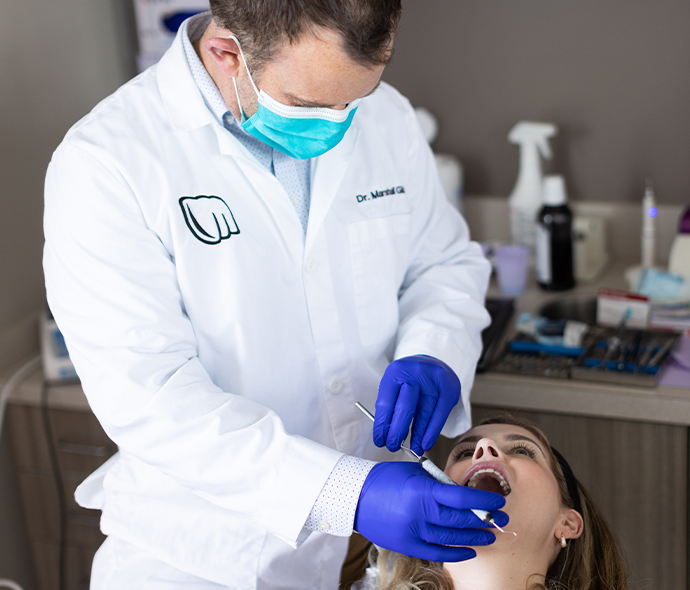
Home care does the daily work, but professional preventive care catches problems that are easy to miss. At regular visits, your dental team can remove hardened plaque, check for early decay, monitor gum health, assess bite changes, and take X-rays when needed to look between teeth and below the surface.
Early cavities may sometimes be managed with fluoride treatment, changes in home care, or other conservative steps. Waiting until there is pain can turn a small issue into a larger filling, crown, root canal, or emergency visit. Preventive appointments are usually simpler, more comfortable, and less costly than treating advanced decay.
How often you need visits depends on your individual risk. Many patients do well with exams and cleanings every six months, while those with frequent cavities, dry mouth, gum concerns, or extensive dental work may benefit from more frequent care. Your dentist can recommend a schedule that fits your oral health needs.
Watch for warning signs between appointments
Cavities do not always hurt at first, but there are signs worth checking. Sensitivity to cold, sweets, or biting pressure; a rough area on a tooth; food repeatedly catching in one spot; visible dark or white changes; and a chipped filling can all deserve attention.
Call sooner if you have tooth pain, facial swelling, a bad taste that does not go away, or a tooth that has broken. These symptoms can point to a problem that needs prompt care. For anxious patients, asking about comfort options and sedation dentistry before treatment can make it easier to get the care you need without delay.
Prevention works best when it fits real life
The best cavity-prevention routine is one your household can sustain during rushed mornings, school nights, travel, and busy workweeks. Put toothbrushes where they are easy to reach, make floss part of the bedtime routine, keep water available, and schedule preventive visits before calendars fill up.
At Mint Condition Dental, our goal is to help families feel informed and supported, not judged. Small habits can protect a smile for years, and a personalized preventive plan gives you a clear next step when your needs change. If it has been a while since your last checkup or you have noticed sensitivity, scheduling a visit now can help keep a small concern from becoming a painful interruption later.